Originally published on Substack
Modern horse sport does not confuse output with wellbeing by mistake. It does it because the entire competitive economy depends on that confusion. Output is what sells: tickets, sponsorships, breeding fees, training packages, national pride, Olympic narratives, federation legitimacy. Wellbeing, by contrast, is slow, complex, inconvenient, and often incompatible with the demands placed on horses.
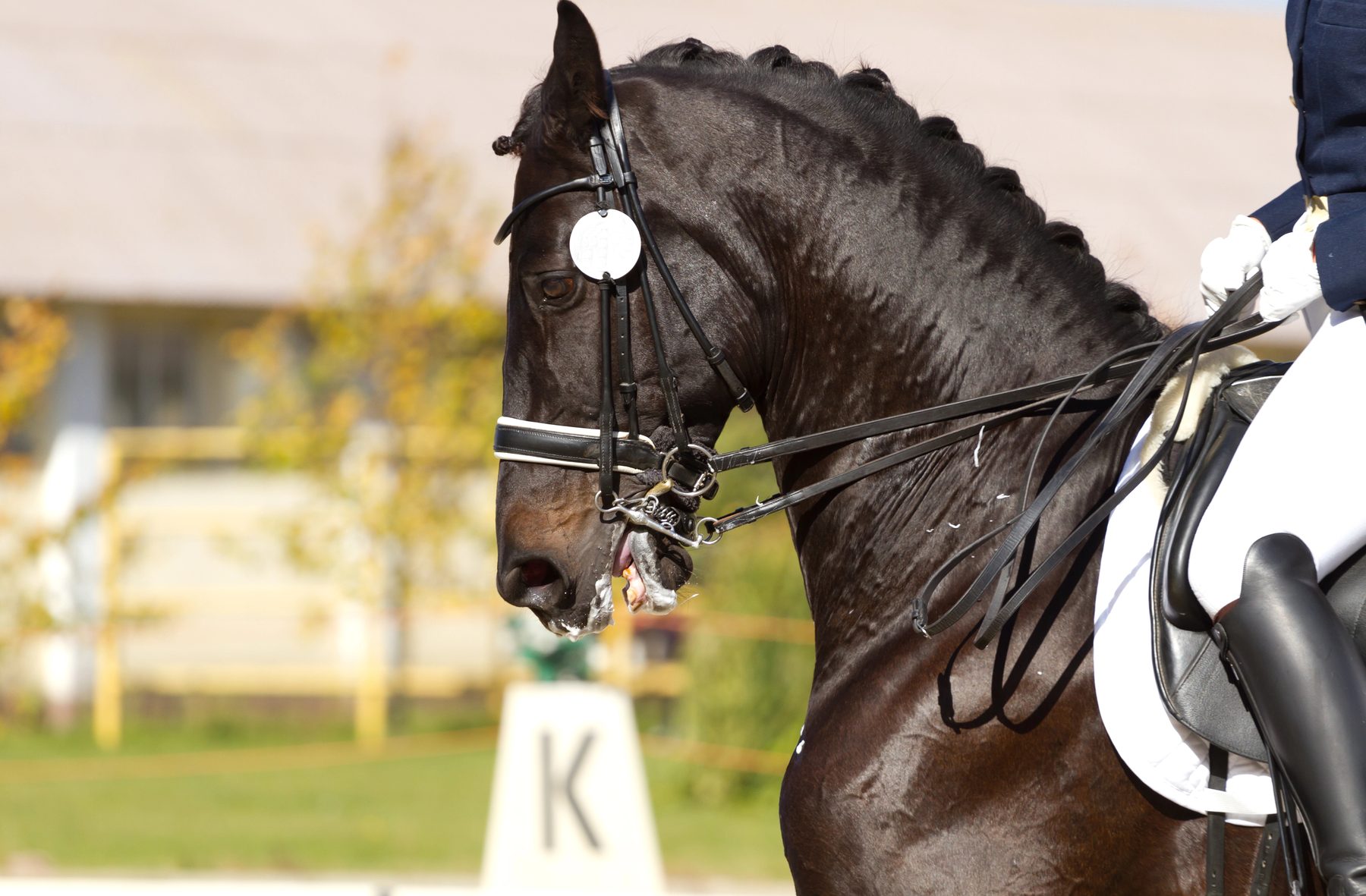
So the system rewards what can be seen: posture, cadence, impulsion, obedience, brilliance, stillness, technical precision, the illusion of harmony. Judges score movement, not meaning. Federations defend optics, not experience. The FEI governs presentation, not perception. And the sport treats external performance as if it were internal truth.
But horses do not live in appearances. They live in bodies that hurt, nervous systems that react, memories that accumulate, and predictions about what will happen next. They live in experience, not aesthetics.
And here is the truth the sport cannot afford to acknowledge: a horse can perform well and still not be well.
Everyone knows this in every other field — elite sport, animal training, human labour. Performance can coexist with stress, fear, pain, coercion, dissociation, or resignation. But equestrian sport treats performance as exoneration. If the horse piaffed, jumped, collected, loaded, or won, then the welfare box is ticked and the conversation is closed.
This is not ignorance. It is structural self-protection.
Behavioural output is not a moral certificate.
Animals are adaptive systems. They do not only express comfort; they express survival. They habituate. They suppress. They freeze. They redirect. They comply strategically. They conserve energy. They learn where resistance is punished or pointless. The absence of protest is not proof of welfare. It is often proof that protest has become too expensive.
And visible tension is not misbehaviour. It is information.
What is called naughty is often conflict.
What is called lazy is often shutdown.
What is called behind the leg is often disengagement.
What is called fresh is often hyperarousal.
What is called resistant is often pain.
What is called talent is sometimes sympathetic overdrive rewarded as brilliance.
These are not semantic disagreements. They are diagnostic failures with ethical consequences. Once a biologically meaningful signal is renamed a training fault, the response shifts from investigation to correction. Curiosity becomes technique. The horse's internal state disappears under a layer of jargon.
Aesthetic disciplines amplify this distortion. The more a system rewards polished outward expression, the stronger the incentive to manufacture appearances while ignoring experience. And the more money, prestige, and national identity are tied to those appearances, the more pressure there is to maintain them at any cost.
A round outline is not relaxation.
Stillness is not trust.
Submission is not consent.
Extravagance is not joy.
Silence is not agreement.
And success is not evidence of welfare. Winning validates nothing except the outcome. It says nothing about the cost.
Welfare science has moved far beyond injury/no-injury thinking. Welfare is affective state, agency, predictability, social needs, pain, chronic stress load, behavioural opportunity, and the capacity for positive experience — not merely the capacity to function.
Horse sport lags decades behind because updating its welfare model would require updating its business model. The FEI's structure depends on predictable performance, not voluntary participation. Judging systems depend on visible conformity, not internal state. National federations depend on medals, not metrics of wellbeing. Trainers depend on results, not refusals. Owners depend on value, not agency.
Too many systems still operate on a mechanical premise: if the machine still works, the machine is fine. Dressage, especially, risks this contradiction every time it celebrates the image of harmony without any reliable method to detect whether harmony exists.
This does not mean all riding is harmful. It means something far simpler and far more uncomfortable:
External performance is an unreliable proxy for internal welfare.
That should be the starting point. The fact that it still feels radical is the indictment.
A credible future for horse sport requires abandoning the central delusion: that what the horse does tells us what the horse feels. It requires shifting from assumption to measurement, from obedience to communication, from suppression to understanding, from tradition to evidence, from asking Can the horse do it? to asking What did it cost the horse to do it?
The future will not be secured by slogans, branding, or outrage over cosmetic issues. It will be secured by confronting the truth the sport has spent decades avoiding:
We have been judging what we can see while ignoring what the horse must feel — because the system benefits from not knowing.
That is the truth.