Originally published on Substack
I recently saw a post about positive reinforcement training. The trainer was working with her horse in an arena when the horse simply wandered off and started grazing along the edge.
The comments were brutal.
People insisted this was not positive reinforcement training. They said the horse was being disrespectful. That the trainer had lost control. That she was allowing undesirable behaviour.
But I think they were missing something fundamental.
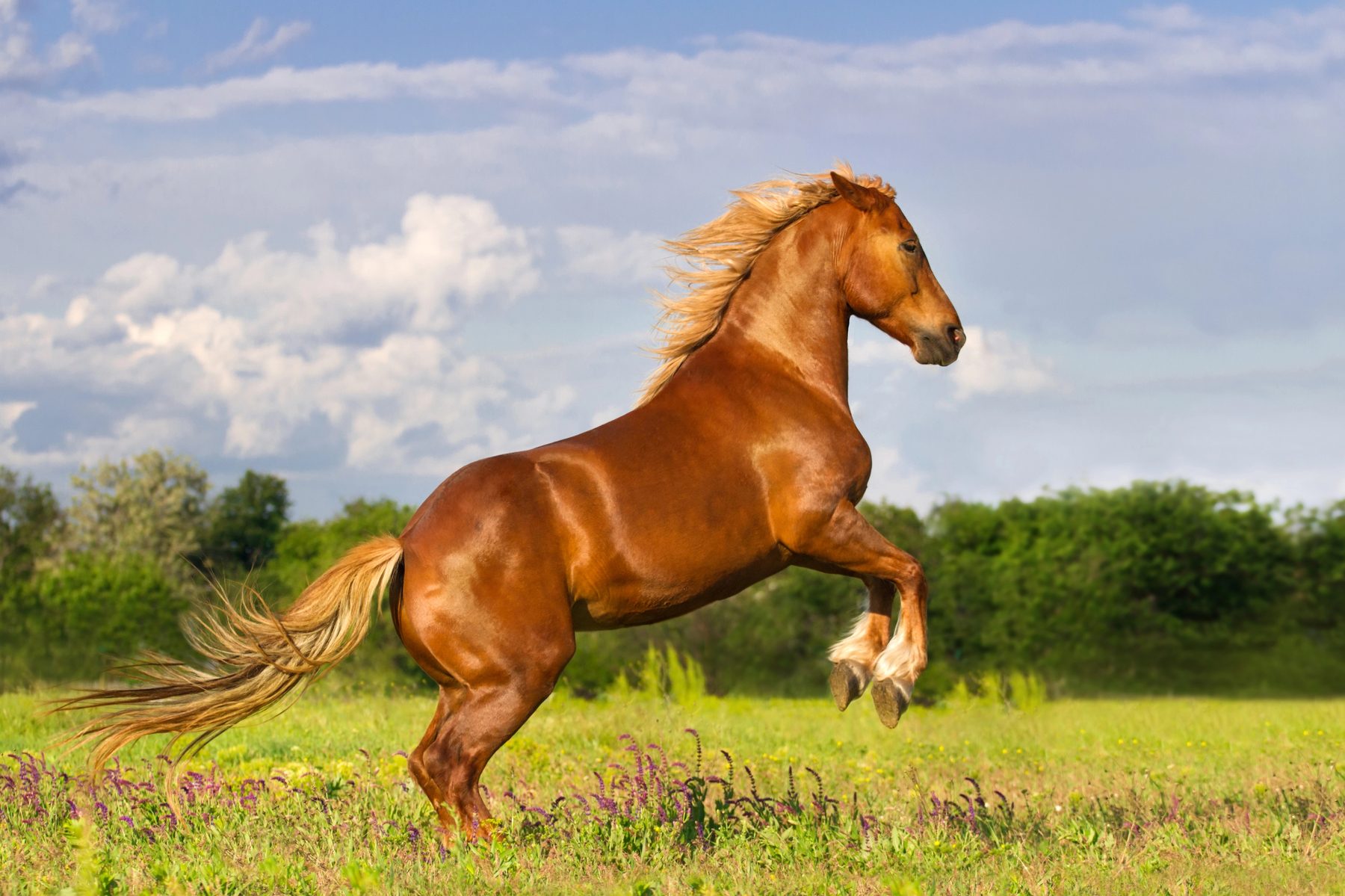
Horses are whole-body communicators.
If a horse does not want to do something, one of the most natural ways it can communicate that is by leaving. It can walk away. It can orient towards something else. It can disengage from the interaction and direct its attention elsewhere.
That is communication.
In fact, it may be one of the clearest forms of communication available to a horse.
The problem is that much of horse training begins by removing that option.
We put horses on lead ropes. We put them in enclosed arenas. We attach reins to bits and halters. We create systems designed to prevent them from leaving.
Sometimes there are good practical reasons for doing so. But we should recognise what we are also doing: we are removing one of the horse's primary ways of saying no.
And when an animal loses the ability to communicate through distance and movement, what options remain?
The answer is usually escalation.
If walking away is impossible, the horse may stop its feet. It may pull back. It may swing its quarters. It may pin its ears. It may bite. It may kick. It may rear. It may shut down entirely.
These behaviours are often treated as evidence that the horse has suddenly become difficult.
But perhaps they are evidence that the horse's earlier communication was ignored.
We tend to think of aggression as the beginning of a problem. Often it is the end of a conversation.
The horse tried something else first.
The horse looked away.
The horse moved away.
The horse disengaged.
The horse left.
Only when those signals failed did stronger responses become necessary.
This is why freedom matters when we are trying to understand horses.
Not because horses should always be allowed to do whatever they want, but because behaviour can only be interpreted properly when genuine choices exist.
If a horse remains with you when it could leave, that means something.
If a horse chooses to engage when disengagement is available, that means something.
And if a horse walks away, that means something too.
The mistake is assuming that communication only occurs when the horse becomes difficult enough for us to notice.
Most of the time, the horse has been speaking with its whole body all along.