Embrace Ethical Dressage Today

Dressage and Horsemanship for the age of intelligence

We now understand that horses are cognitively complex, socially attuned, and neurologically sensitive animals. They are not reflex machines. They are decision-making organisms. The question is no longer how to make the horse comply — it is how to engage the horse's mind.

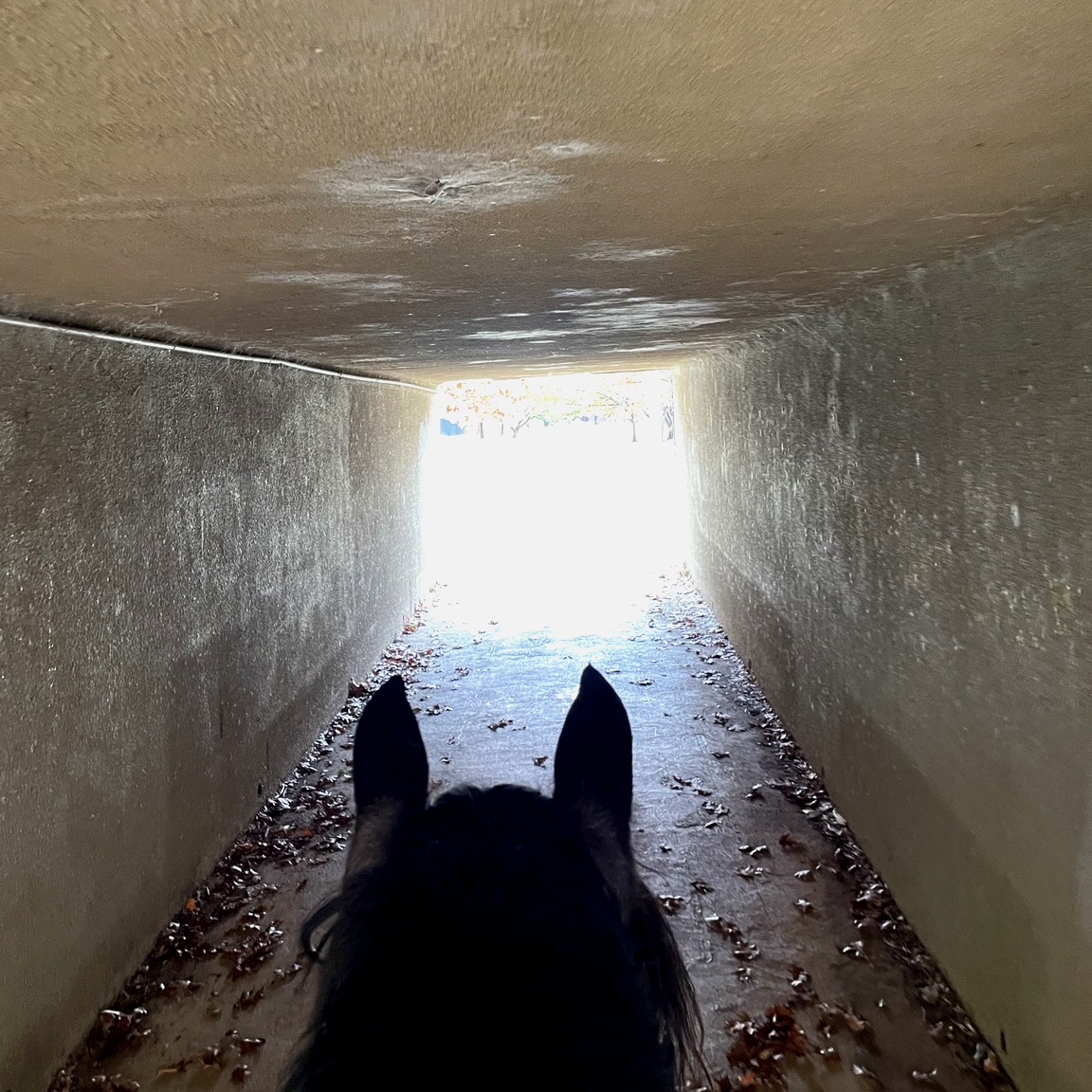
Leo in the tunnel — light ahead
"If we attempt to build an ethical competition framework on unethical foundations, dressage risks losing its social licence to operate."
— Dressage for the Future
Where We Came From

The Historical Foundation

For centuries, dressage rested on a single premise: that horses could be shaped through repetition, pressure, and physical compliance. The training systems built on this foundation were sophisticated — but they were built on a misunderstanding of what horses actually are.

Before we understood sentience, before we understood the neuroscience of stress and learning, trainers relied on what they could observe. Now we know more.

The False Premise →
Where We Are Going

A New Framework

Dressage now stands at a fork in the road. One path continues the tradition of compliance-based training. The other asks harder questions — about consent, about cooperation, about what it means for a horse to participate willingly in the work.

Understanding how we got here is important. The future depends on it.

The Future of Dressage →
On This Site

Explore the Ideas

Join the Conversation

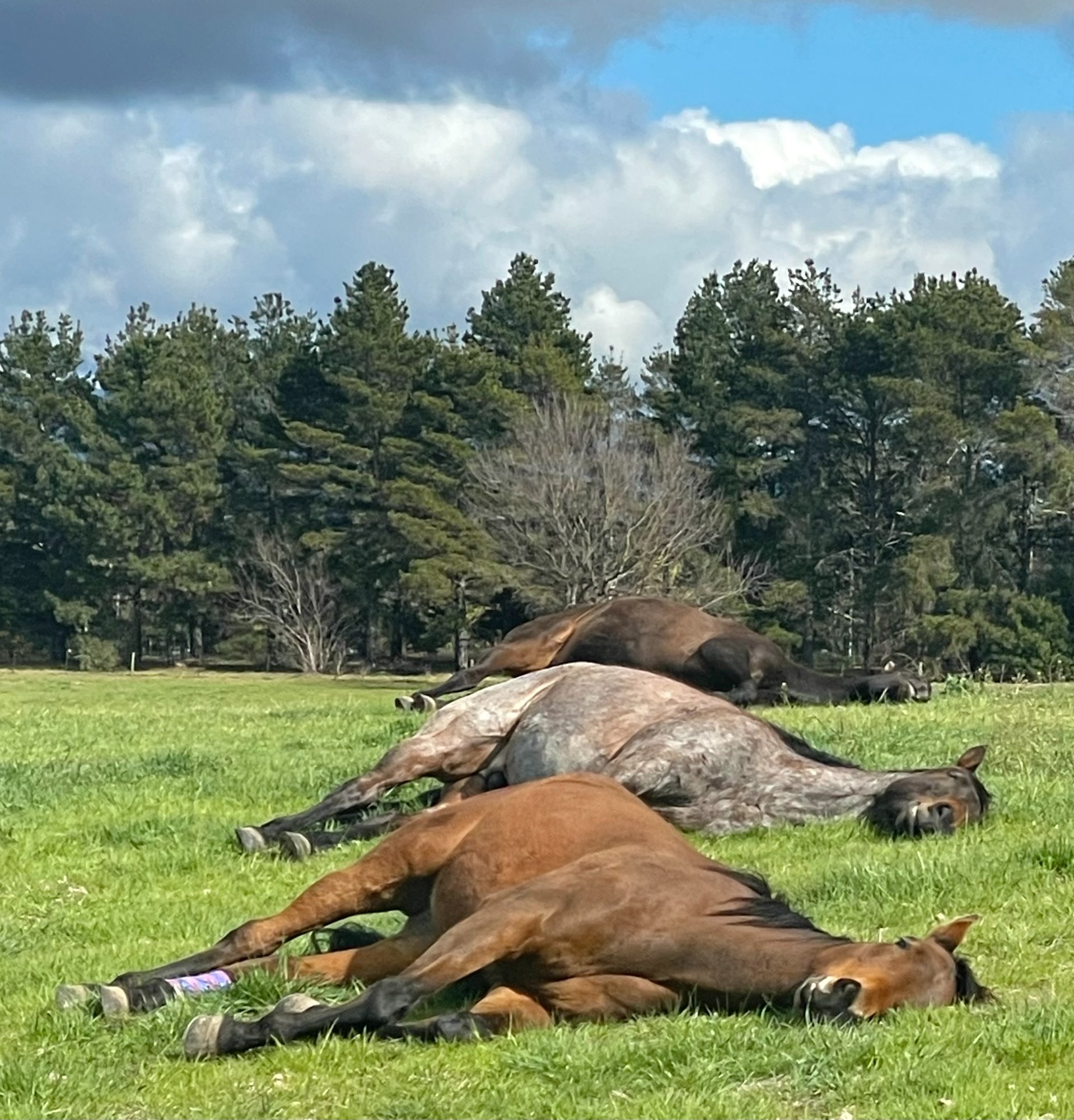
Horses sleeping in a field — freedom, trust, and natural behaviour

Engagement, not compliance

The question has shifted. We no longer ask: how do we make the horse do this? We ask: how do we invite the horse to participate?

Horses are decision-making organisms. The future of dressage acknowledges this — and builds its methods accordingly.

Explore the Research
The Future

What ethical dressage looks like

Dressage as a discipline carries extraordinary potential — a deep tradition of horse and human communication, of subtlety, of refinement. But that tradition now faces a reckoning with what we understand about horse cognition, welfare, and consent.

To build the future of dressage, we must be honest about the past. The emerging science of equine behaviour and welfare offers tools to do this — not to tear down the tradition, but to elevate it.

Read More

Her Mouth, Not Ours

The horse's mouth is mucosal tissue, not equipment. What that means for how we ride.

Aids and Cues

The difference between what the rider does and what the horse understands.

The Day I Took the Bit Out

A cappuccino, a trail ride, and a realisation about where control really comes from.

There Is No Such Thing as a Hard Mouth

What riders call a hard mouth is neural adaptation. The fix is never a stronger bit.

Rewriting the Rules

The Dutch federation already permits bitless dressage. The problem has been solved.
From the Blog

Recent Writing

Science

There Is No Such Thing as a Hard Mouth

What riders call hardness is neural adaptation to constant pressure. The fix is never a stronger bit.

Personal Essay

The Day I Took the Bit Out — and Nothing Changed

A trail ride, a cappuccino, and a realisation about where control actually comes from.

Analysis

When Dressage Changed

Tracing the moments when competitive dressage diverged from its classical roots.

Essay

The 1850 Model of Biological Hierarchy Is Still With Us

Love is not the threat to horsemanship. Unexamined hierarchy is.